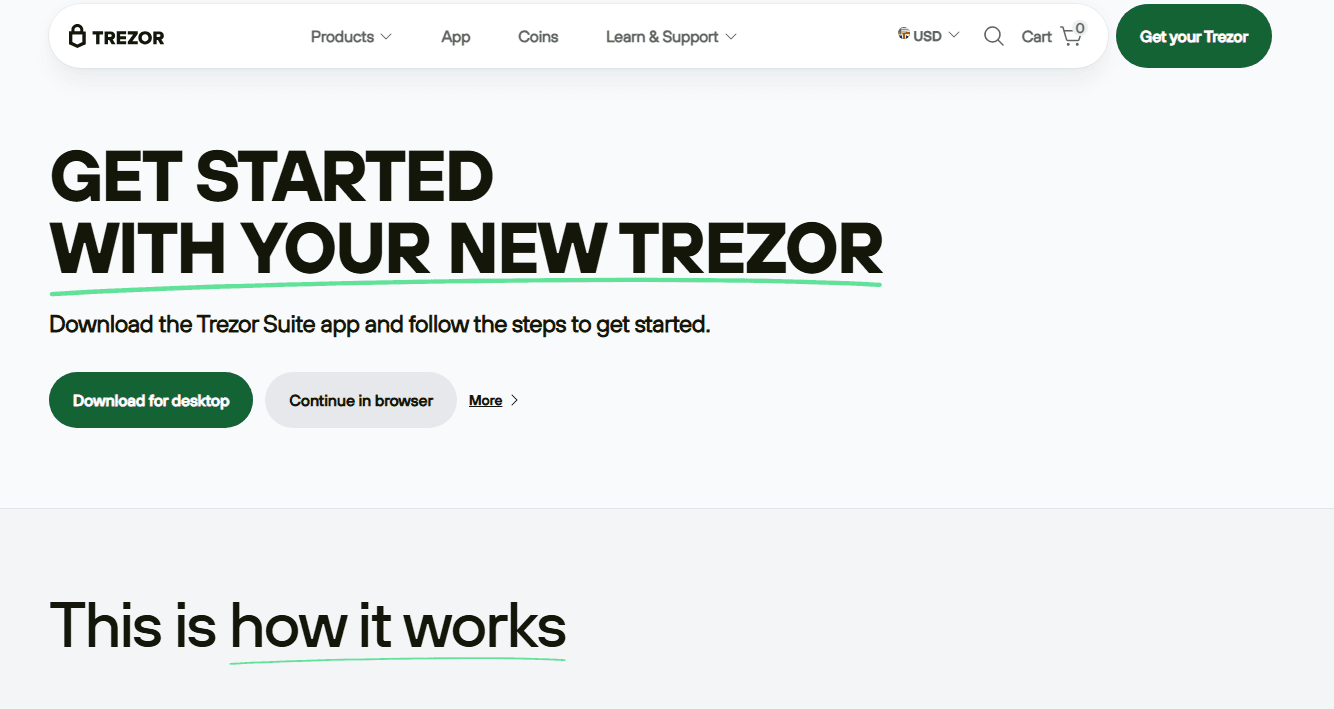
Trezor Login – Complete 1200-Word Guide to Accessing Your Trezor Wallet Securely
When using a hardware wallet like Trezor, the login process is very different from signing in to an online account. Instead of using a username and password stored on a server, the Trezor login system is built around offline authentication, physical device access, and secure confirmation steps. Because of this approach, understanding how the Trezor login actually works is essential for anyone managing digital assets using a Trezor device.
This in-depth guide explains how the Trezor login process works, what users need to do when accessing their wallet, the role of Trezor Suite, how to confirm transactions, and important security practices to keep your digital assets protected. Even if you’re new to hardware wallets, this clear and friendly explanation will help you understand every step.
1. What “Trezor Login” Really Means
Unlike online exchanges or mobile wallet apps, Trezor does not store your information on a server. There is no traditional login page. Instead, the term “Trezor login” describes the process of connecting your hardware wallet to Trezor Suite and proving your identity by physically interacting with your device.
This authentication system is built on:
Your physical Trezor device
Your unique PIN
Your passphrase (optional, but commonly used)
Device-backed verification
Secure offline operations
Because of these layers, logging in to Trezor is one of the safest ways to authorize access to your crypto.
2. Requirements for Logging In to Trezor
Before you begin the Trezor login process, you need:
A Trezor device (Model T or Model One)
A computer with Trezor Suite installed
The USB cable that connects your device
Your PIN
Your passphrase if you enabled one
A safe environment where your device will remain in your possession
Since all authentication steps take place directly on your device, no one else can log in to your wallet unless they have your physical Trezor and your PIN.
3. The Role of Trezor Suite in the Login Process
Trezor Suite is the main application used to access your wallet, check balances, send assets, manage tokens, and adjust settings. To begin a Trezor login session, you always connect your device to Trezor Suite.
When opening Trezor Suite, you will be prompted to:
Connect your hardware wallet
Unlock the device
Approve the session
Access your accounts and portfolios
The software alone cannot open your wallet. It only acts as a secure interface while the actual login happens through your physical Trezor.
4. Connecting the Device – The First Step of Trezor Login
To initiate login:
Open Trezor Suite on your desktop.
Plug in your Trezor device using the USB cable.
Wait for Trezor Suite to detect your device.
At this point, the application will display a welcome screen asking you to unlock the device. This ensures no one can access your data without physical possession of your Trezor wallet.
5. Unlocking Your Trezor With a PIN
The first security step for Trezor login is entering your PIN. This PIN is not entered directly into the computer keyboard. Instead, Trezor uses a secure PIN-entry system.
Here’s how it works:
Your computer screen displays a scrambled keypad grid.
Your Trezor device displays the correct number positions.
You use the reference shown on your device to click the numbers on your computer.
This method keeps your PIN safe even if your computer has malware, because the true number positions never appear on the screen. The PIN protects your device from unauthorized access. If someone steals your Trezor, they cannot log in without this PIN.
6. Understanding the Optional Passphrase Step
Many Trezor users enable an extra layer of protection called a passphrase. If you have turned on this feature, the login process includes an additional step after entering your PIN.
A passphrase works like a key that opens a specific hidden wallet. Without it, Trezor Suite cannot access your accounts.
During login:
After entering your PIN, you will be asked for your passphrase.
You enter it either on your device (Model T) or on the computer (Model One).
Trezor Suite loads the accounts linked to that specific passphrase.
This means:
Every passphrase creates a separate wallet.
Anyone without the exact passphrase cannot access that wallet.
This makes Trezor login extremely secure, especially when storing large holdings.
7. Approving Access on the Device
After the PIN and optional passphrase, Trezor Suite will request approval to access the device.
You will see a prompt on your Trezor display asking whether you want to:
Allow the connection
Reject the connection
This feature ensures you maintain full control over when and how your wallet is accessed.
Approving the request is similar to logging in. Once confirmed, Trezor Suite loads your dashboard, and your accounts become accessible. From here, you can check balances, send crypto, or manage token lists.
8. What You See After Logging In
Once the Trezor login process is complete, Trezor Suite provides:
A portfolio overview
Individual account balances
Transaction histories
Sending and receiving options
Security settings
Device management tools
Everything shown in Trezor Suite depends on the wallet tied to your passphrase and PIN. If the wrong passphrase is used, the wallet will appear empty because each passphrase corresponds to a separate hidden wallet structure.
9. Why the Trezor Login System Is So Secure
Trezor uses multiple layers of protection:
Physical confirmation
You must physically possess the device to authorize login.
PIN protection
Incorrect PIN attempts increase the device’s delay time, limiting brute-force attempts.
Passphrase protection
Adds an extra layer that only you know.
Scrambled keypad
Prevents keylogging leaks.
Offline private key storage
Your private keys never leave the hardware wallet and are never exposed to your computer.
Device-based approvals
Every important action must be confirmed on the Trezor screen.
Because of these combined protections, Trezor login offers extremely high levels of safety.
10. Logging Out of Trezor Suite
Logging out is simple and helps keep your wallet secure.
To end a Trezor session:
Unplug your Trezor device.
Close Trezor Suite.
Store your hardware wallet in a safe place.
Since the device must be physically connected for access, disconnecting it immediately ends the session and blocks all wallet activity.
11. Troubleshooting Trezor Login Issues
Here are common issues and solutions:
Device Not Detected
Try another USB cable.
Restart Trezor Suite.
Check your USB port.
Make sure the device is powered on.
Incorrect PIN
Be careful—too many incorrect attempts will slow the login process.
Use the scrambled keypad reference on your device carefully.
Forgotten Passphrase
This cannot be recovered.
Without the correct passphrase, the wallet cannot be accessed.
Firmware Outdated
Trezor Suite may ask you to update firmware before logging in.
Browser Conflicts
Some operating systems require you to close browser windows before the device connects properly.
Usually, restarting the device and Trezor Suite solves most login issues.
12. Safety Tips for Trezor Login
To keep your login experience secure:
Never enter your PIN on anything other than Trezor Suite.
Never share your passphrase with anyone.
Keep your Trezor physically secure.
Use a strong, memorable passphrase if you enable the feature.
Do not type private information into random websites.
Always confirm actions directly on the Trezor device screen.
These habits ensure your wallet remains protected at all times.
13. Final Thoughts
Trezor login is built around strong offline authentication, physical control, and user-driven confirmation steps. Instead of relying on a traditional online account, the login experience uses a combination of your device, PIN, passphrase, and Trezor Suite to ensure only you can access your wallet. This layered approach provides exceptional protection and represents one of the safest ways to manage and store digital assets.